How much does garden landscaping cost? In the UK, a small garden refresh may cost a few thousand pounds, while a complete redesign involving paving, drainage, walls, decking and planting can run into tens of thousands.
The final price depends less on the size of the lawn alone and more on the amount of preparation, construction and material required. Access, ground conditions and the complexity of the design can also make a substantial difference.
This guide explains what affects landscaping prices, where your budget is likely to go and how to compare quotations properly.
What Is A Realistic Garden Landscaping Budget?
Landscaping costs vary widely because the term can describe anything from laying new turf to rebuilding an entire garden.
As a broad starting point:
- A basic refresh involving clearance, turfing or simple planting may cost a few thousand pounds.
- A medium-sized renovation with a patio, lawn and new borders may require a five-figure budget.
- A full design-and-build project with extensive hard landscaping, drainage, walls or bespoke features may cost considerably more.
Published UK cost guides suggest approximately £12 to £30 per square metre for laying grass and around £65 to £80 per square metre for a paved patio. These figures are only general benchmarks and may not include excavation, difficult access, waste removal or drainage.
The most reliable figure will always come from a site-specific quotation.
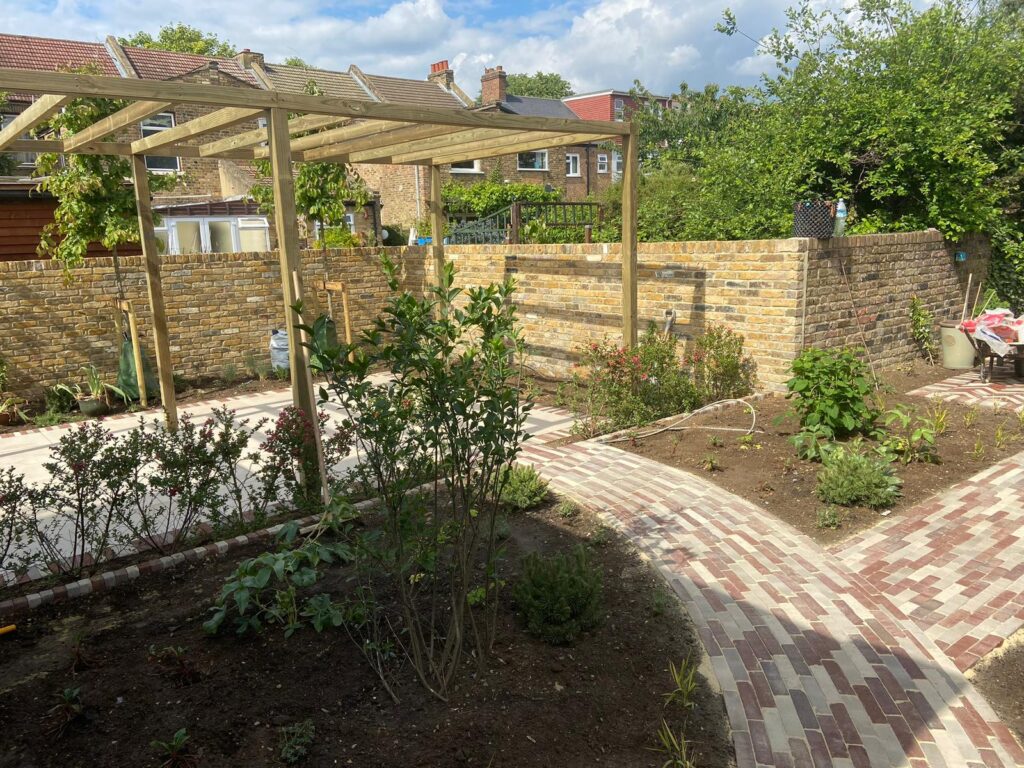
Why Landscaping Prices Vary So Much
Two gardens of a similar size can have very different landscaping costs. The main variables are outlined below.
The Size And Scope Of The Project
A larger garden usually requires more labour and materials, but project scope is equally important.
Returfing a 50-square-metre lawn is very different from redesigning the same area with porcelain paving, fencing, retaining walls, lighting and raised beds.
Before requesting quotations, decide whether you need:
- A focused improvement to one area
- Several individual features
- A complete garden renovation
- A full design-and-build service
A clear brief makes it easier to compare like-for-like prices.
Ground Preparation And Excavation
Some of the most important landscaping work disappears beneath the finished surface.
Preparation may include:
- Removing old paving or decking
- Excavating soil
- Levelling uneven ground
- Building a suitable sub-base
- Improving drainage
- Removing waste
- Constructing foundations for walls or steps
Cutting back on preparation can lead to sinking paving, unstable walls and persistent standing water.
Garden Access
Access can affect labour time and waste-removal costs.
A garden with direct side or vehicle access is generally easier to work on than a terraced property where every tool, paving slab and bag of waste must pass through the house.
Restricted access may require more manual handling, smaller machinery and additional time for deliveries and clearance. This is particularly relevant in many London gardens.
Material Choice
Materials affect both the initial price and the long-term maintenance requirement.
For example:
- Concrete paving is usually less expensive than premium porcelain or natural stone.
- Softwood decking normally costs less initially than hardwood or composite decking.
- Standard fence panels may cost less than bespoke closeboard fencing.
- Mature plants cost more than younger plants but provide an immediate effect.
- Brick, stone and rendered walls have different labour and material requirements.
Choose materials according to durability, appearance and upkeep, rather than price alone.
Drainage And Soil Conditions
Poor drainage should be resolved before installing expensive surfaces or planting.
Clay-heavy ground, compacted soil and incorrect levels can lead to waterlogged lawns and pooling around patios. Solutions may include:
- Regrading the garden
- French drains
- Perforated drainage pipes
- Soakaways
- Drainage channels
- Improved patio falls
Drainage adds to the initial budget, but ignoring it can damage lawns, paving, planting and structural landscaping.
Structural And Bespoke Features
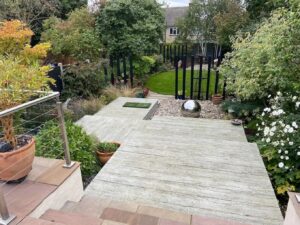
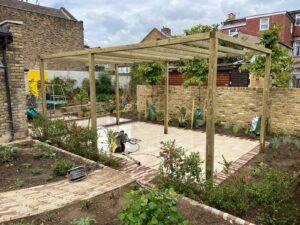
Retaining walls, garden steps, raised beds, pergolas and outdoor kitchens usually require more planning and construction than simple surface improvements.
They may involve concrete foundations, brickwork, drainage, reinforcement, bespoke carpentry or specialist materials. These features can improve how the garden looks and functions, but they should be included in the budget from the beginning.
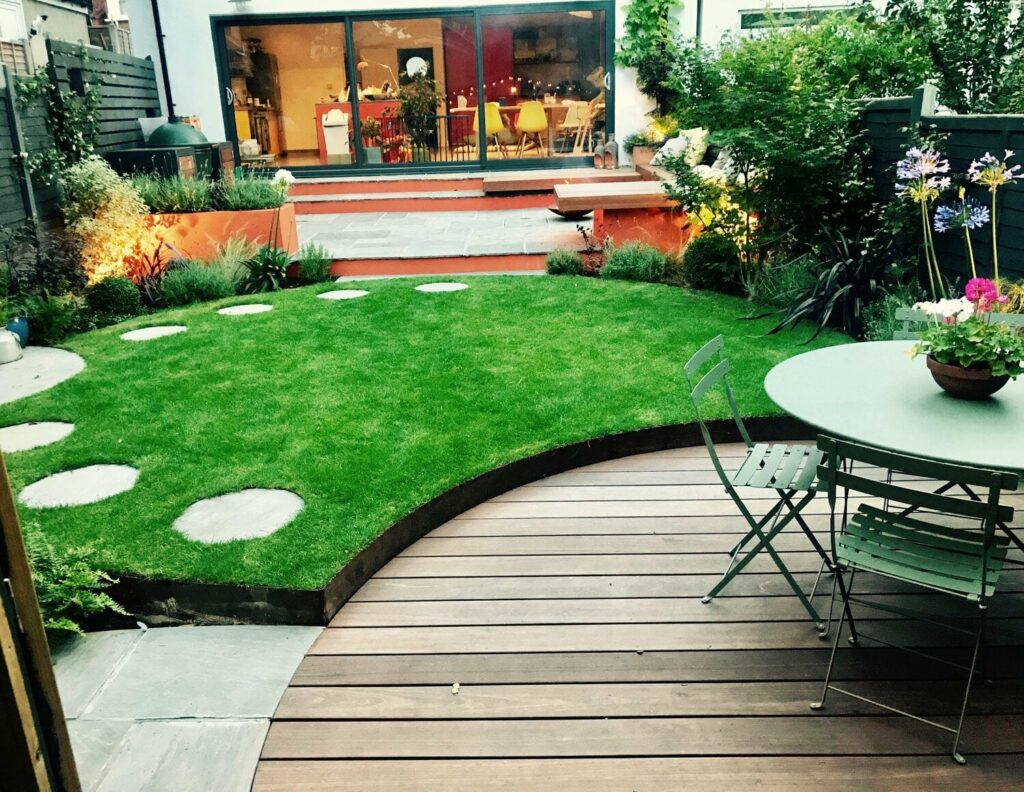
Can Landscaping Be Priced Per Square Metre?
Square-metre prices can be useful for individual features such as turf, paving or decking. They are less reliable for a complete garden renovation.
A full project may include several surfaces, changes in level, drainage, fencing and planting. These cannot always be represented accurately by one rate.
Use square-metre prices as an early guide, not as a substitute for a detailed site survey.
How To Keep Landscaping Costs Under Control
A lower budget does not necessarily mean compromising on every part of the design.
Set Priorities Before Choosing Materials
Decide which features matter most. You might invest more in a well-built patio and choose younger plants that will establish over time.
Keep The Layout Practical
Complex curves, numerous level changes and extensive cutting usually require more labour than a simple, well-planned layout.
Resolve Structural Problems First
Spend the budget first on drainage, foundations, levels and retaining structures. Decorative additions can often be introduced later.
Plan The Whole Garden Before Phasing The Work
Landscaping can be completed in stages, but each phase should follow an overall plan. This avoids lifting new paving later to install drainage or reach another part of the garden.
Ask For A Detailed Quotation
A useful quote should explain:
- What work is included
- Which materials are proposed
- Whether waste removal is included
- How drainage will be handled
- Whether VAT is included
- The expected project sequence
- How additional work will be approved
Be cautious when one quote is significantly cheaper but omits preparation, drainage or disposal.
Should You Pay For Garden Design?
Professional garden design can be worthwhile when a project involves several connected features or a difficult layout.
A good design helps establish:
- How the garden will be used
- Where patios and paths should sit
- How people will move through the space
- How levels and drainage will work
- Which materials complement each other
- What should be included within the available budget
For a simple fencing or turfing job, a formal design may not be necessary. For a complete transformation, planning before construction can reduce changes and wasted spending.
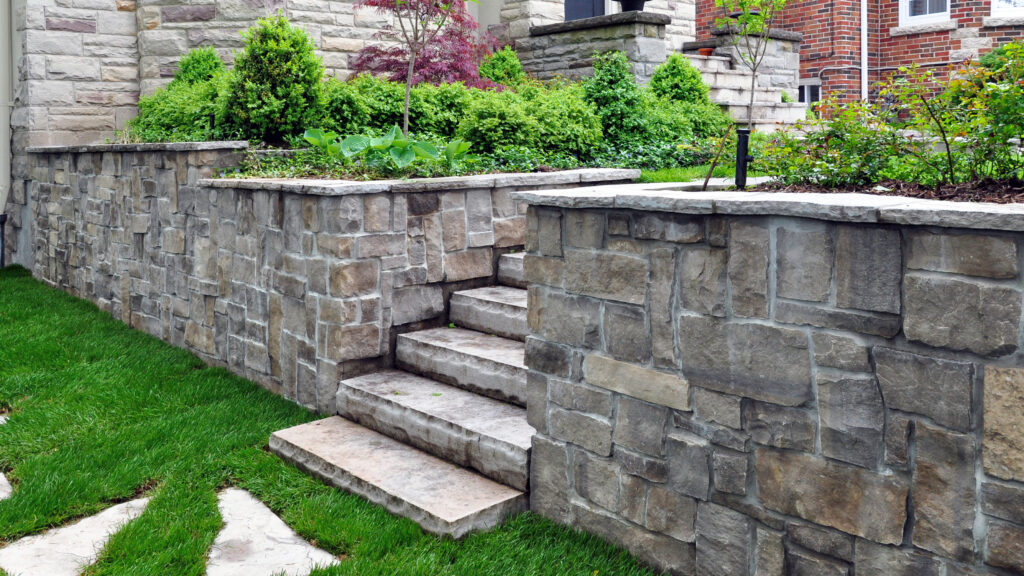
Frequently Asked Questions
There is no dependable fixed price. A modest renovation may cost several thousand pounds, while a full garden redesign involving substantial hard landscaping can cost £10,000 to £30,000 or more. The garden, specification and access must be assessed before an accurate price can be given.
Hard landscaping and ground preparation often account for the largest share. Excavation, paving, walls, drainage, foundations and access-related labour can cost more than planting or turf.
Yes. Start with drainage, levels and structural work, then add surfaces, planting and optional features. The phases should follow one overall plan.
Two or three detailed quotations are usually enough to compare scope, materials and approach. Compare what is included rather than selecting the lowest total automatically.
Plan Your Budget Around The Garden You Need
The best starting point is to define what the space needs to do, identify any structural or drainage problems and decide which features matter most.