
Planning a garden renovation is exciting, but knowing what happens once work begins can make the experience much easier. From the initial consultation to the final inspection, understanding the garden renovation process helps you prepare for disruption, make informed decisions and avoid unexpected delays.
A typical renovation involves planning, surveying, design, site preparation, groundworks, construction and finishing. The exact stages depend on your garden’s condition and the improvements you want to make.
This guide explains each stage, how long landscaping projects generally take and what you can do to keep everything running smoothly.
What Are the Main Stages of a Garden Renovation?
Most professional garden renovations follow eight main steps:
- Initial consultation and project planning
- Garden survey and site assessment
- Design, materials and quotation
- Construction preparation
- Groundworks and drainage
- Hard landscaping installation
- Planting and finishing touches
- Final inspection and handover
Some stages overlap, while smaller projects may not require every step. Understanding the sequence helps you know what to expect throughout the work.
Step 1: Initial Consultation and Planning
Every successful garden renovation begins with understanding what you want to achieve.
During the first consultation, your landscaper should discuss how you intend to use the garden, your preferred style, budget and any practical concerns.
Consider whether you need more seating, better privacy, safer access between levels or additional planting space.
Our advice: Establish your priorities before discussing materials. Knowing which features are essential and which are optional makes it easier to develop a realistic plan.
Step 2: Garden Survey and Site Assessment
Before construction begins, the garden needs a proper assessment.
A landscaper will typically examine:
- Ground levels, slopes and existing structures
- Soil conditions and drainage
- Garden measurements and boundaries
- Access for equipment and material deliveries
- Existing paving, fencing and planting
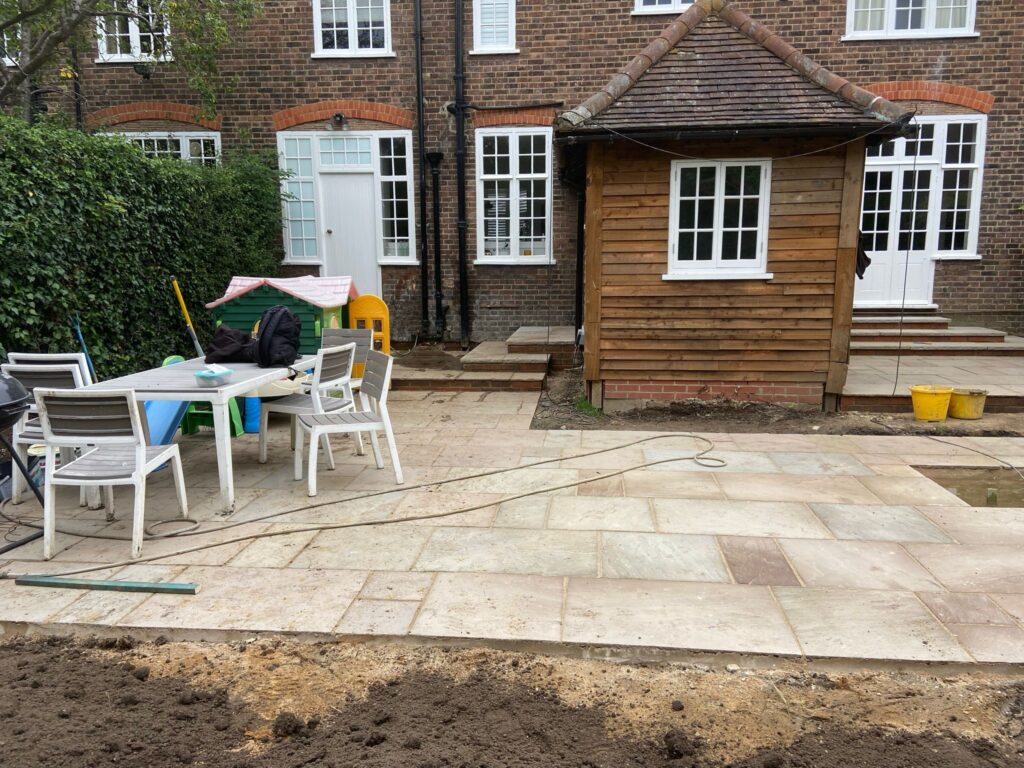
In Walthamstow and surrounding parts of London, restricted access through terraced properties can influence how materials are delivered and waste is removed.
Clay-heavy ground can also require particular attention to drainage.
Identifying these challenges early helps reduce the risk of unexpected complications during construction.
Step 3: Garden Design, Materials and Quotation
Once the site has been assessed, the next stage involves agreeing on the layout, materials and scope of work.
Depending on the project, professional garden design services can help establish how patios, lawns, pathways, planting and structural features fit together.
Your quotation should clearly explain the proposed work, including preparation, construction, materials and waste removal.
Before approving it, check what is included and how additional work would be handled if unforeseen problems arise.
Step 4: Preparing for Construction
Once the design and quotation are agreed, your landscaping team can organise the construction schedule.
This usually involves ordering materials, arranging deliveries, planning waste removal and preparing equipment.
You may also need to clear garden furniture, ornaments and personal belongings.
A useful tip: Ask where materials will be stored and whether pathways or access points will be temporarily restricted. This is particularly important for properties without direct rear-garden access.
Step 5: Groundworks and Drainage
Groundworks are often the most disruptive stage of a garden renovation, but they are essential for a reliable finished result.
Depending on the project, this may involve removing old paving, excavating soil, levelling the ground, preparing foundations and constructing suitable sub-bases.
Drainage problems should also be addressed before new surfaces are installed.
For example, persistent standing water may require changes to ground levels or specialist garden drainage solutions.
One common mistake is focusing on the visible finishes while overlooking what sits beneath them. Poor preparation can contribute to movement, uneven paving and recurring drainage problems.
Step 6: Installing Hard Landscaping Features
With the groundwork complete, the main structural elements of the garden can be installed.
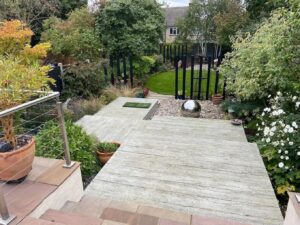
Hard landscaping commonly includes patios, paving, decking, fencing, retaining walls, garden steps and raised beds.
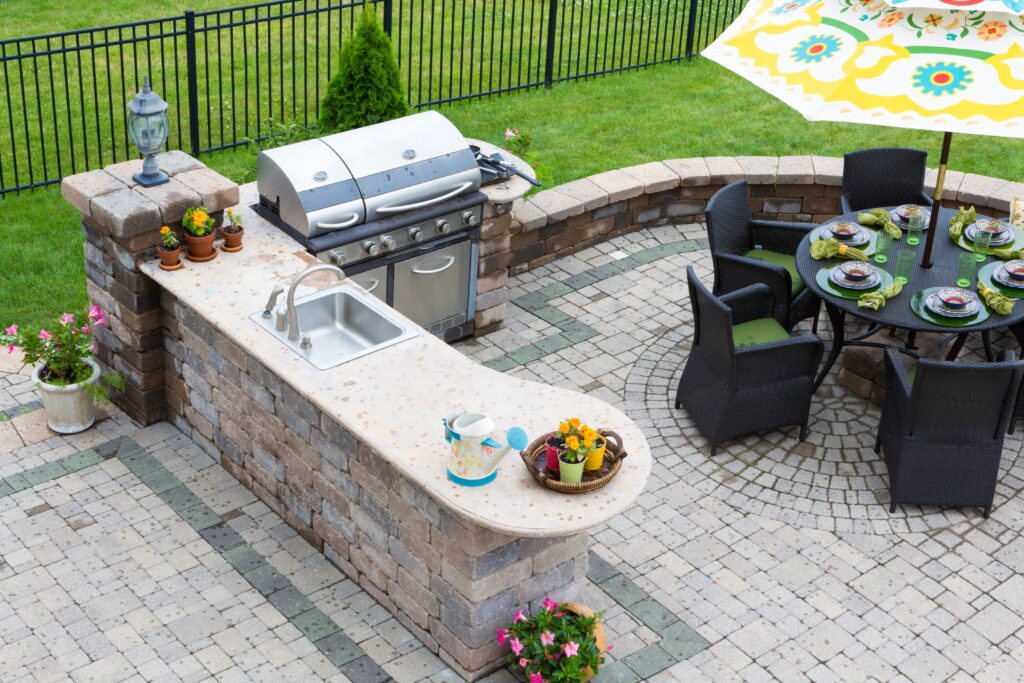
Larger renovations may also incorporate outdoor kitchens or bespoke garden structures.
The installation order matters. Retaining walls and significant level changes, for example, may need to be completed before adjoining paving.
This stage often creates the most noticeable transformation as the layout begins to take shape.
Step 7: Planting and Finishing Touches
Once the main construction work is finished, attention turns to softer landscaping elements.
These may include preparing planting beds, installing turf, adding plants and completing decorative features.
Plant selection should consider sunlight, soil conditions, available space and ongoing maintenance.
New lawns and planting areas may also need additional watering and care while they establish.
Step 8: Final Inspection and Handover
The final stage involves checking the completed work, clearing the site and reviewing the finished garden.
At LS Garden Design & Build, we believe homeowners should understand what has been installed and how to care for it.
This is a good opportunity to ask questions about paving maintenance, drainage arrangements, planting and any remaining practical considerations.
For more information about how we manage projects, explore our garden design and build process.
How Long Does a Garden Renovation Take?
A garden renovation can take anything from several days to several weeks or longer, depending on the work involved.
The following provides a general guide rather than a guaranteed schedule.
| Project Type | Indicative Timescale |
|---|---|
| Small garden improvements | 2–5 working days |
| Patio installation | 1–2 weeks |
| Complete garden renovation | 2–4 weeks or more |
| Complex structural landscaping | Several weeks or longer |
Several factors can affect the landscaping timeline, particularly in London:
- Restricted access for materials and machinery
- Heavy rainfall or unsuitable ground conditions
- Extensive excavation or drainage requirements
- Bespoke materials and structural features
- Changes to the agreed project scope
Allow time for planning and material procurement before construction starts. The overall project timeline may be longer than the time spent on site.
How Can You Prepare for a Garden Renovation?
A little preparation can help minimise disruption.
Before work begins:
- Remove furniture, plant pots and valuable garden items.
- Arrange a safe space for children and pets.
- Confirm access arrangements and delivery requirements.
- Discuss working hours and expected disruption.
- Agree how progress updates and unexpected issues will be communicated.
If you are considering a renovation for spring or summer, autumn can be a useful time to begin discussing your design and budget.
Frequently Asked Questions About Garden Renovations
Can You Stay at Home During a Garden Renovation?
Usually, yes. Most garden renovations do not require homeowners to leave their property. However, noise, dust and temporary restrictions to outdoor access should be expected.
What Happens If Problems Are Discovered During Groundworks?
Unexpected drainage issues, buried structures or unsuitable ground conditions can require changes to the original plan. Your landscaper should explain the problem, recommended solution and any cost implications before additional work proceeds.
Does Every Garden Renovation Need a Professional Design?
Not necessarily. Straightforward improvements may only need basic planning. Larger renovations involving multiple features, drainage or significant level changes generally benefit from a coordinated design.
What Is the Most Disruptive Stage of Landscaping?
Groundworks and excavation are often the most disruptive because they involve removing existing materials, moving soil and preparing foundations. The extent of disruption depends on the garden’s condition and accessibility.
Planning Your Next Garden Renovation
Understanding the garden makeover steps makes it easier to plan your budget, prepare your property and know what to expect during construction.
With landscaping experience dating back to 1997, we help homeowners plan and deliver practical garden improvements, from individual features to complete renovations.