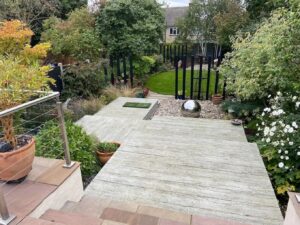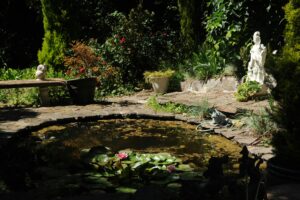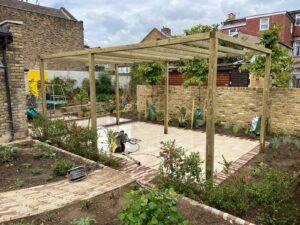
Many homeowners experience ongoing problems with poor garden drainage in North London & Walthamstow. Heavy rainfall, compacted clay soils, and dense urban layouts all contribute to waterlogged lawns and garden flooding. If you are searching for help with drainage issues, you are not alone. Many households in nearby areas face similar issues, especially during winter months when rainfall is highest.
This guide explains why drainage fails, how landscaping can resolve the underlying causes, and which practical fixes offer the best long term results. You will learn the most effective methods used by professional landscapers in North London, the signs that indicate deeper drainage issues, and the solutions that can prevent garden flooding. If you are planning a garden renovation or want to stop constant water pooling, the insights below will help you move forward with clarity.
What causes drainage problems in gardens?
Understanding the source of the problem is the first step to fixing it. Poor drainage usually comes from a combination of environmental, soil based, and structural factors.
1. Clay heavy soil that cannot absorb water
Much of North London sits on dense clay. Clay holds water, restricts air flow in the soil, and drains very slowly. When heavy rain falls, it pools on the surface rather than soaking in.
2. Compacted ground in busy urban areas
Foot traffic, building work, and old turf compact the soil over time. Compaction reduces the tiny gaps needed for water movement. This leads to shallow flooding, especially in winter.
3. Incorrect garden grading
If the garden surface does not slope away from the property, water collects in low points. Many older homes have uneven garden levels that worsen drainage problems.
4. Poorly installed patios or driveways
Non permeable patios and incorrectly laid paving block natural drainage routes. Water becomes trapped with no escape path.
5. Blocked or outdated drainage systems
Some gardens still rely on old clay drainage pipes that clog easily. Others have no drainage system at all.
What are the signs your garden has serious drainage issues?
Garden issues are not always obvious. Look for these indicators.
- Standing water after rainfall
- Muddy footprints even on dry days
- Lawn moss, yellowing, or dying patches
- Soil erosion around paths and borders
- Water sitting against the house
- Slippery patios
- Repeated flooding in one corner of the garden
If your garden shows any of these symptoms, it is time to explore professional drainage solutions.
How can landscaping fix drainage issues?
Professional landscaping offers long term solutions that target the root causes. LS Garden Design and Build specialise in full design and build landscaping, which allows us to reshape the garden, improve soil structure, and install drainage systems that last.
Below are the most effective methods for improving drainage in London gardens.
How do landscapers improve soil drainage?
Soil aeration
Aeration loosens compacted ground and introduces air spaces that allow water to move. It is a simple but powerful solution for mild drainage issues.
Soil amendment
Adding organic compost or sand improves soil structure, increases absorption, and makes clay soils more workable.
Topsoil replacement
For severe drainage problems, replacing the top layer of soil may be necessary. This creates a fresh base for turfing or planting.
How can landscaping reshape a garden to prevent flooding?
Regrading the garden
Regrading adjusts the slope so water flows away from your home and towards a safe drainage point. This is essential for gardens with pooling or sinking areas.
Creating drainage channels
Purpose built channels direct rainwater to a soakaway, drain, or planting bed. When installed correctly, they move water without damaging the garden layout.
Installing French drains
A French drain is a gravel filled trench with a perforated pipe that redirects water underground. It is one of the most common solutions in London landscaping due to its reliability.
Soakaways
A soakaway collects rainwater and allows it to disperse into the surrounding soil at a steady rate. This reduces surface water and relieves pressure on local drainage networks.
Rain gardens and planting solutions
Deep rooted plants, raised beds, and rain gardens help absorb excess water and slow the runoff rate. They support biodiversity and reduce flooding naturally.
Can hard landscaping help with drainage?
Yes, but only when designed and installed correctly. Hard landscaping features often redirect water. However, they can also cause flooding if poorly constructed.
Permeable paving
Permeable patios and driveways allow rainwater to drain through the surface and into the soil rather than pooling on top.
Correct sub base installation
A strong sub base is vital. If contractors skip this step, water becomes trapped under the paving. This leads to movement, cracking, or surface flooding.
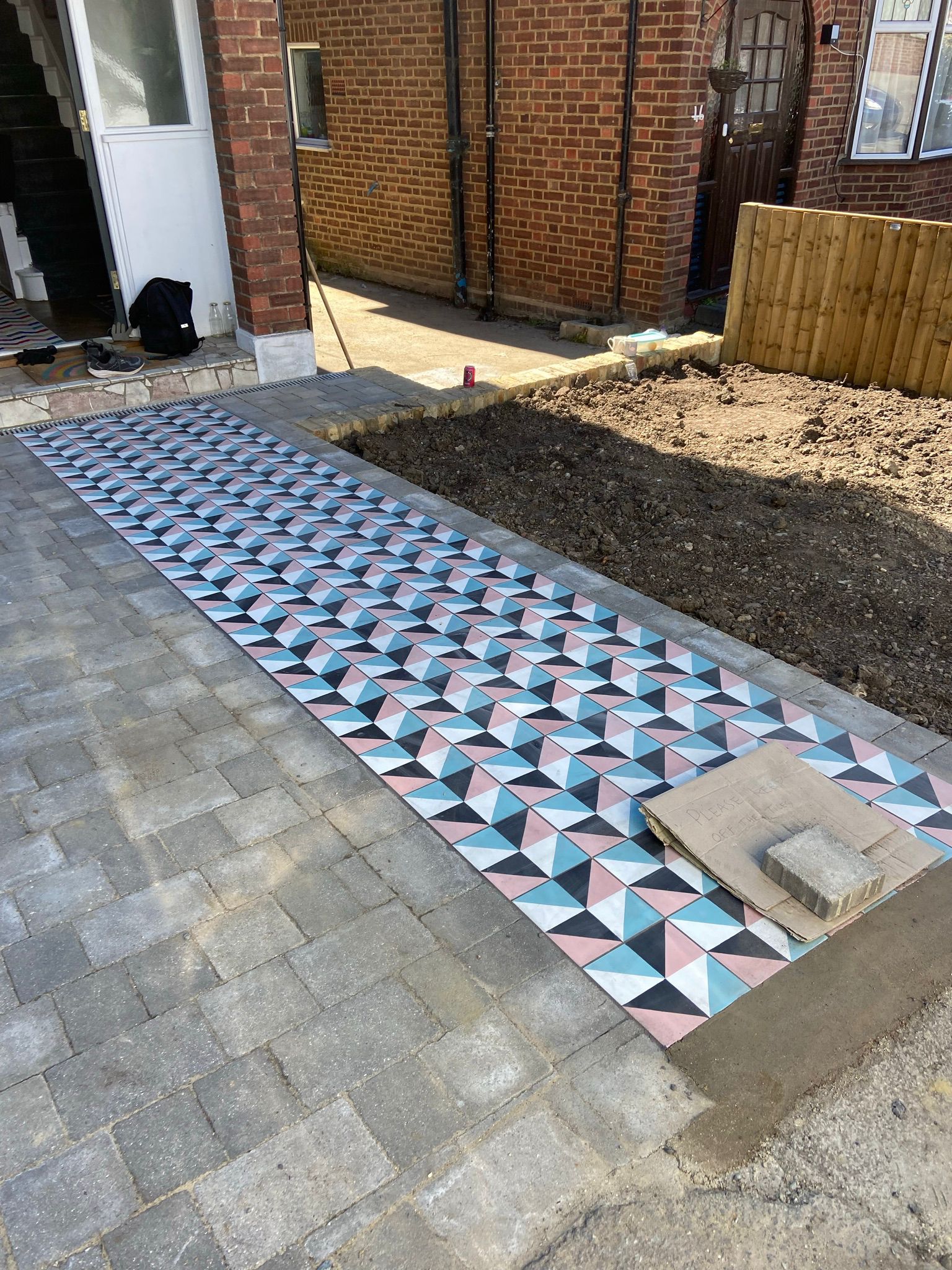
Channel drains at the edge of patios
Built in channel drains collect and carry water away from the patio surface. They prevent waterlogging around seating areas.
Why is the local area particularly prone to flooding?
Walthamstow sits on the clay belt and much of the area has a high water table. Older Victorian and Edwardian gardens often lack modern drainage systems. Many properties also have small gardens with little natural soil, which makes drainage in Walthamstow more challenging than in suburbs with larger plots.
Localised rainfall patterns have worsened in recent years. The Met Office reports more frequent short, intense rainfall events in London. These conditions increase the risk of garden flooding, even during mild storms.
How LS Garden Design and Build approach drainage issues
With more than 25 years of experience, we specialise in large, complex garden builds that require drainage, paving, brickwork, raised beds, turfing, and full redesigns.
Our process includes:
- Detailed site assessment of soil, levels, and existing drainage
- Identifying the cause of your waterlogging
- Designing a drainage system tailored to the garden layout
- Installing long lasting, low maintenance solutions
- Reshaping the garden through soft and hard landscaping
- Providing guidance on planting and lawn care to support long term health
We also integrate drainage seamlessly into new garden designs so homeowners enjoy a space that is both functional and resilient.
What should you do if your garden keeps flooding?
If your garden floods repeatedly, avoid short term fixes. Instead, choose a professional landscaping team who understand the soil and ground conditions specific to the local area. Long term drainage solutions reduce maintenance, protect your home, and improve the usability of your garden year round.
Fix Your Drainage Issues Today!
If you are dealing with drainage issues or ongoing garden flooding, LS Garden Design and Build can help. Contact us today for a professional assessment and a tailored landscaping solution that keeps your garden dry, usable, and healthy all year round.
Call 07745 831038 or fill in our quick form